
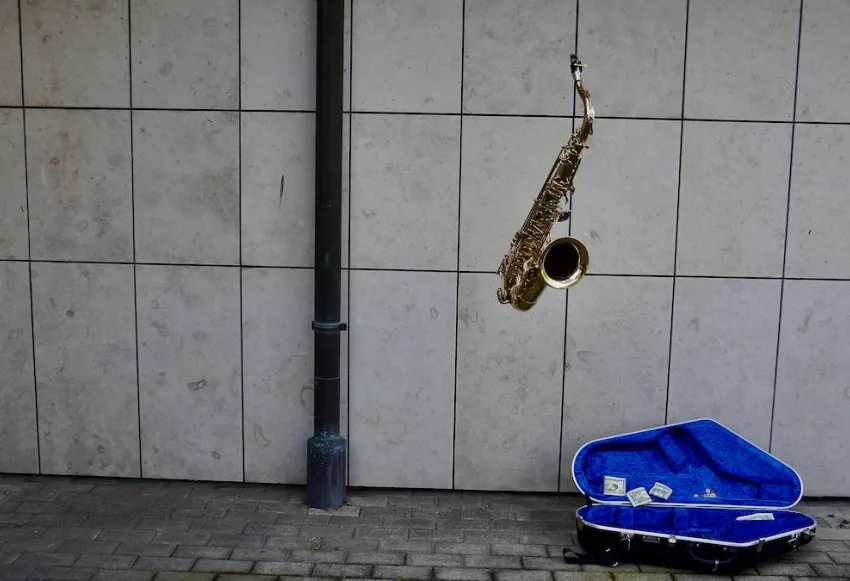

The saxophone is a highly versatile and expressive instrument that has captivated audiences since its invention in the 1840s. With its rich and distinctive sound, it has been embraced by musicians from various genres, including jazz, classical, and contemporary music. However, the journey of the saxophone from its humble beginnings to its current status as a musical blessing has not always been smooth. In this article, we will explore the intriguing history of the saxophone and how it has evolved into the beloved instrument we know today.
The Birth of the Saxophone: A Revolutionary Instrument
The Genius Behind the Saxophone: Adolphe Sax
The man responsible for the creation of the saxophone was Adolphe Sax, a talented Belgian instrument maker. Sax was born in Dinant, Belgium in 1814, into a family of instrument builders. He had a deep passion for music and a keen interest in inventing new instruments. Adolphe Sax set out to create an instrument that would bridge the gap between the woodwinds and brass sections, combining the expressive capabilities of the former with the power and projection of the latter.
The Saxophone: A Blend of Woodwind and Brass
The saxophone is a member of the woodwind family, but unlike other woodwind instruments, it is made of brass. Its design features a conical brass tube with keys and a mouthpiece that resembles that of a clarinet. This unique combination of woodwind and brass elements gives the saxophone its distinct sound and versatility.
From Patent to Prominence: The Rise of the Saxophone
In 1846, Adolphe Sax patented his invention, which he called the "saxophone." Initially, it found popularity in military bands, where its powerful sound and projection made it an ideal choice for outdoor performances. The saxophone's success in military bands led to its adoption in orchestras and eventually into other genres of music.
The Saxophone's Evolution: A Musical Chameleon
Jazz: The Saxophone Revolution
The most significant and enduring impact of the saxophone can be seen in the realm of jazz music. In the early 20th century, the saxophone became the centerpiece of jazz ensembles, revolutionizing the genre and influencing its development. Jazz greats like Charlie Parker, John Coltrane, and Sonny Rollins pushed the boundaries of saxophone playing, showcasing its incredible range and dexterity. The saxophone's ability to produce a wide range of tones and its expressive nature made it the perfect instrument for jazz improvisation.
Classical Music: A Saxophone Renaissance
While the saxophone found its stronghold in jazz, it also made its mark in classical music. Initially, classical composers were hesitant to embrace the saxophone, considering it a novelty instrument. However, pioneers like Marcel Mule and Sigurd Rascher championed the saxophone's classical potential and expanded its repertoire. Today, the saxophone is a recognized instrument in classical music, with many contemporary composers incorporating it into their works.
Popular Music: The Saxophone's Time in the Spotlight
Beyond the realms of jazz and classical, the saxophone has had its fair share of success in popular music. From soaring saxophone solos in 80s pop ballads to memorable hooks in rock and roll anthems, the saxophone has left an indelible mark on the popular music landscape. Artists like Kenny G, Pink Floyd, and Bruce Springsteen have utilized the saxophone to add emotional depth and unforgettable moments to their songs.
The Saxophone's Enduring Appeal: Why it Continues to Thrive
A Versatile Instrument with Unique Expression
One of the key reasons behind the saxophone's enduring appeal is its versatility. It can seamlessly fit into various musical genres, adapting its sound to complement the style and mood of the music. Whether it's the smooth and sultry tones of a jazz ballad or the energetic and brassy sound of a marching band, the saxophone can effortlessly convey a wide range of expressions.
The Saxophone's Expressive Range
The saxophone's expressive capabilities stem from the various techniques that can be employed to manipulate its sound. By employing techniques like vibrato, bending notes, and using different articulations, saxophonists can create expressive and emotive performances. The saxophone's ability to convey human-like qualities through its sound has earned it a special place in the hearts of musicians and listeners alike.
Its Unforgettable Sound
The saxophone's distinct sound is instantly recognizable and has a way of connecting with people on a deeply emotional level. Its warm and mellifluous tone has the power to evoke a wide range of emotions, from nostalgia and longing to joy and excitement. This inherent emotive quality of the saxophone is what makes it such a beloved instrument in the world of music.
The Saxophone's Legacy: A Musical Blessing in Disguise
Inspiring Future Generations of Musicians
The saxophone's enduring popularity and widespread use have inspired countless musicians to take up the instrument. Its expressive nature and diverse range of musical possibilities make it an attractive choice for aspiring musicians looking to explore their creativity. The saxophone has played a pivotal role in shaping the musical landscape and continues to inspire musicians in their artistic journeys.
An Iconic Symbol in Popular Culture
The saxophone's popularity extends beyond the realm of music. It has become an iconic symbol in popular culture, representing both sophistication and passion. References to the saxophone can be found in literature, movies, and even visual arts, further cementing its status as a cultural icon.
Bridging Cultures and Breakings Barriers
The saxophone's versatility has allowed it to transcend cultural boundaries and break down barriers. It has been embraced by musicians from diverse backgrounds, contributing to cross-cultural collaborations that enrich the world of music. Through its wide-ranging appeal, the saxophone has united people from different cultures and fostered a sense of unity and shared musical experiences.
Conclusion
The saxophone's journey from a revolutionary invention to a cherished musical blessing is a testament to its enduring appeal. From its humble beginnings, the saxophone has conquered the hearts of musicians and audiences alike, leaving an indelible mark on the world of music. Its versatility, expressive capabilities, and unique sound have made it an integral part of various genres, from jazz to classical to popular music. As we continue to appreciate the saxophone's beautiful melodies and soul-stirring performances, let us recognize it as the musical blessing it truly is.